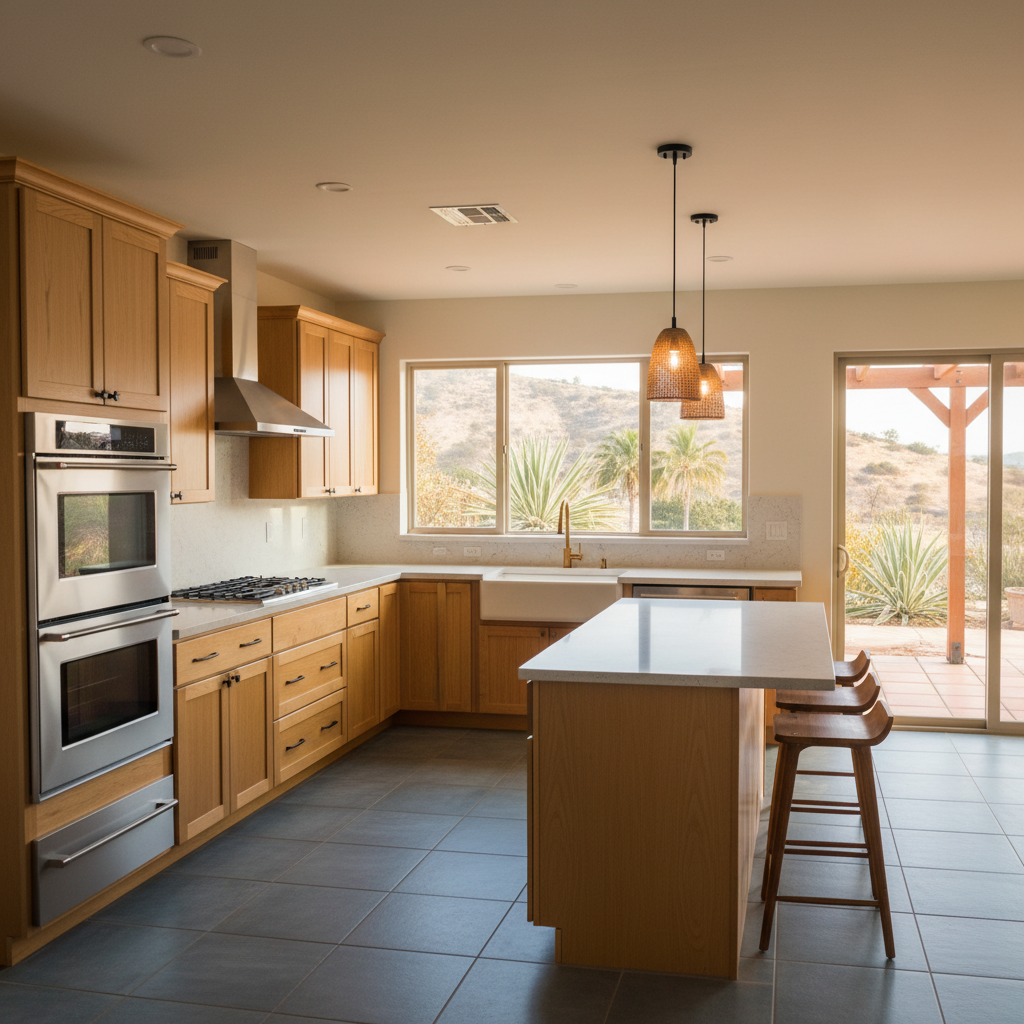
You're dreaming of that shiny new refrigerator, a powerful range, or maybe a super-quiet dishwasher for your Ventura kitchen. Fantastic! But before you jump right into scheduling, let's chat about something people often miss: our local climate and how it actually affects appliance installation and, frankly, how long they'll last.
When's the Best Time to Install Appliances in Ventura?
Honestly, we can put in appliances any time of year. But if you've got some flexibility, certain seasons definitely make things easier on everyone involved. This is especially true for bigger jobs that might mean opening up walls or running new lines, you know?
Spring and Fall are usually just right. The weather's mild then, not too hot, not too cold. That means less strain on your AC or heater if we're moving things around and the door's open for a bit. It also makes for a more comfortable crew, which helps them work efficiently. We don't really get extreme cold here, but those Santa Ana winds in the fall can kick up a ton of dust. That's definitely something to think about if we're doing a full kitchen gut.
Summer can be tough, especially late summer when those really humid, hot days hit. Hauling a heavy fridge or a big range when it's 90 degrees outside? That's just harder work, plain and simple. Plus, if we're disconnecting plumbing for a new sink or dishwasher, you really don't want your house open to that heat any longer than it has to be. Winter's usually fine, but if we get one of those rare, heavy rainstorms, deliveries and any outdoor work can get pretty messy.
How Ventura Weather Affects the Work
Our coastal climate is pretty sweet most of the year, but it does have its little quirks. Humidity is a big one. While we're not talking Florida-level swampiness, we do get our share, especially closer to the coast or during those marine layer days. This can impact things like:
- Cabinetry and Countertops: If we're putting in built-in appliances like an oven or a microwave, and there's a lot of humidity, we keep a close eye on it. Wood can expand and contract slightly, which is why we always make sure there's proper clearance.
- Dust and Debris: If we're cutting into walls for new electrical or plumbing, particularly during a dry, windy spell, controlling dust becomes even more crucial. We always use dust barriers and clean up thoroughly, but a windy day just makes it more challenging, doesn't it?
- Temperature Swings: Our swings aren't dramatic, but bringing a brand new appliance from a cool delivery truck into a warm house, or vice-versa, means it needs a little time to get used to the new temperature. It's not usually a huge deal, but it's part of how we do things.
For instance, if you live in an older home up in the hills near the Ventura Botanical Gardens, where it can get a bit drier and dustier, we'll take extra steps to seal off the work area. In a beachside condo, where salt air and humidity are more common, we'll talk with you about appliance finishes and materials that really hold up best.
Protecting Your Appliance Investment Year-Round
Once those beautiful new appliances are in, you want them to last, right? Here's how our Ventura climate plays into their year-round care:
- Humidity Control: This is probably the biggest one. If you've got a whole-house humidifier (or dehumidifier), use it. Consistent humidity levels help everything, not just your appliances, but your cabinets and flooring too. High humidity can encourage rust on metal parts over time, especially in older homes without great ventilation.
- Ventilation is Key: Make sure your range hood actually vents to the outside, not just recirculating air. This pulls out cooking moisture, grease, and heat, reducing strain on your kitchen's environment and keeping your appliances cleaner. If it's just recirculating, well, you're not doing yourself any favors.
- Regular Cleaning: This sounds obvious, but it's even more important here. Salt air, even if you're not right on the beach, can be corrosive. Wipe down stainless steel appliances regularly with the right cleaners to prevent pitting and discoloration. Don't forget the seals on your fridge and dishwasher – they can get grimy and lose their effectiveness.
- Check Connections: Every now and then, just do a quick visual check around your dishwasher and fridge water lines. Our seismic activity, while usually minor, can sometimes jiggle things loose over years. Better to catch a small drip before it becomes a big problem, wouldn't you say?
At All Things Kitchen Solutions, we don't just put in your appliances; we want them to work well for you for many years. Thinking about these climate factors upfront helps us ensure a smooth installation and helps you protect your investment down the line. If you've got questions about what's best for your specific Ventura home, please don't hesitate to give us a call.